The specific error states — PROHIBITED_CONTENT, IMAGE_SAFETY, OTHER
Google's Gemini image API returns a handful of distinct block states, each indicating a different point of refusal in the safety stack. The exact string you see depends on whether you're using the Gemini API directly, the Gemini app on Android/iOS, or Google AI Studio.
`PROHIBITED_CONTENT`. The strongest refusal state. Indicates the prompt or generated output violated a policy-level rule — usually a hard limit (minors in adult context, real-person likeness, graphic violence, illegal content). The policy decision is intentional; rephrasing rarely resolves it because the content isn't a classifier false-positive, it's a direct policy rejection.
`IMAGE_SAFETY`. The most common refusal state for ordinary users. Indicates the image safety classifier scored the prompt or output above the configured threshold for borderline content. This is where fashion / apparel / portrait / fitness false-positives land most often. Rephrasing sometimes helps because the classifier is matching vocabulary patterns rather than making an explicit policy call.
`BLOCKED_REASON_OTHER`. A catch-all state for refusals that don't fit the above two categories. Can indicate quota or rate-limit issues, model-side errors, or edge-case classifier triggers. The error payload sometimes includes additional diagnostic text; the state itself doesn't tell you much.
`SAFETY`. Older error string used by earlier Gemini models. Still appears in some integration surfaces. Semantically similar to IMAGE_SAFETY.
**`HARM_CATEGORY_*`.** The underlying harm categories the classifier evaluates (HARM_CATEGORY_SEXUALLY_EXPLICIT, HARM_CATEGORY_DANGEROUS_CONTENT, HARM_CATEGORY_HATE_SPEECH, HARM_CATEGORY_HARASSMENT, HARM_CATEGORY_CIVIC_INTEGRITY). API callers can inspect which category tripped; app users typically only see the aggregate error state.
What each error state means in practice
The practical difference between the error states determines the right next action.
If you got PROHIBITED_CONTENT: your prompt or output hit a policy-level rule. The policy decision is intentional, not a classifier error. Rephrasing with cleaner vocabulary rarely helps because the issue is the concept, not the words. Common triggers: named real people (celebrities, politicians, athletes), content involving minors in adult or romantic context, explicit violence or self-harm, illegal content references, hate or harassment content targeting protected groups. These are industry-standard hard limits shared across every mainstream AI image generator — no mainstream tool at any price unlocks them.
If you got IMAGE_SAFETY: the classifier false-positived on borderline content. Rephrasing sometimes resolves it, but inconsistently. The classifier is deterministic on identical input (repeating the same prompt returns the same block), but changes to vocabulary can shift the classifier's score below the threshold. Common triggers: swimwear, activewear, body-visible fashion, close-fit apparel, intimate settings ("in bed," "bedroom"), suggestive descriptors ("sexy," "attractive," "seductive"), named body parts, "attractive woman" generic prompts. These sit in Google's gray zone — not hard limits, but above the mass-market consumer-safety threshold.
If you got BLOCKED_REASON_OTHER: check the error payload for additional diagnostic text. Common causes include quota exhaustion (your API tier's per-minute or per-day cap was hit), rate-limit throttling (short-term burst limit), model-side errors (temporary infrastructure issues), or edge-case classifier triggers (rare combinations that don't map cleanly to the standard categories). Retry after a short wait if quota or rate-limit is likely; otherwise treat as a classifier state and try the IMAGE_SAFETY workflow.
Why Google's classifier tightened through 2026
Gemini image generation launched in late 2025 with Gemini 2.5 Flash Image (Nano Banana) as the public image surface. The classifier's conservative tune was present from launch — this isn't a drift story. What changed through 2026 is that creator usage grew enough for the false-positive pattern on fashion / apparel / portrait categories to surface as a widespread, well-documented complaint on Google's own developer forums.
Google's stated position has been consistent: Gemini is tuned for mass-market consumer safety across every integration surface (consumer app, Workspace enterprise, Chromebook classroom, developer API). That tune calibrates to the strictest-reasonable ceiling across all those audiences, which means fashion, apparel, and portrait creators hit the classifier more often than product-photography or landscape users.
There have been no publicly announced classifier retunings in 2026 that would loosen the content ceiling. Google's product direction has been to add integration surfaces (Workspace deeper integration, Gemini app expansion, API tier expansion) rather than relax the policy posture. For creators waiting on a policy change, the honest realistic timeline is "not likely" rather than "eventually."
What to try when you hit each error state
A staged troubleshooting flow by error state.
For PROHIBITED_CONTENT:
1. Verify you're not asking for a hard-limit category (minors, named real people, violence, illegal content). If you are, no amount of rephrasing resolves it — the policy is intentional. Switch use cases or tools. 2. If you believe your prompt is in a gray zone that got misclassified as PROHIBITED_CONTENT (rare but happens), file in-app feedback with the specific prompt and ID. Google's moderation team responds to pattern-level reports more than individual appeals. 3. For named-person content, consider licensed stock photography or editorial-content partners who have the rights cleared.
For IMAGE_SAFETY:
1. Rephrase the prompt with vocabulary that doesn't trigger the common false-positive patterns. Describe scene or activity rather than clothing or body ("at the beach, laughing with friends" rather than "in a bikini on the beach"). Describe setting rather than register ("elegant evening dress at a gala" rather than "sexy evening outfit"). 2. Simplify compound prompts. The classifier sometimes trips on prompts combining multiple elements; generating each element separately then combining in post is a workaround. 3. Try different reference images if you're doing image-to-image editing. The reference contributes to the classifier's score. 4. If the specific content category is consistently refused (swimwear, activewear, body-visible fashion), the honest answer is that Gemini's tune isn't going to permit it — switch to a tool with a different policy posture.
For BLOCKED_REASON_OTHER:
1. Check for quota or rate-limit issues in your API dashboard or app usage summary. 2. Wait 60 seconds and retry — short-term burst limits reset quickly. 3. If the error persists on a prompt you believe is benign, the state is probably a classifier trigger; treat as IMAGE_SAFETY and use that flow.
The categories where Gemini is reliably blocking
If you're working in any of these categories consistently, Gemini (including Nano Banana) is going to refuse often enough that a different tool is the better fit:
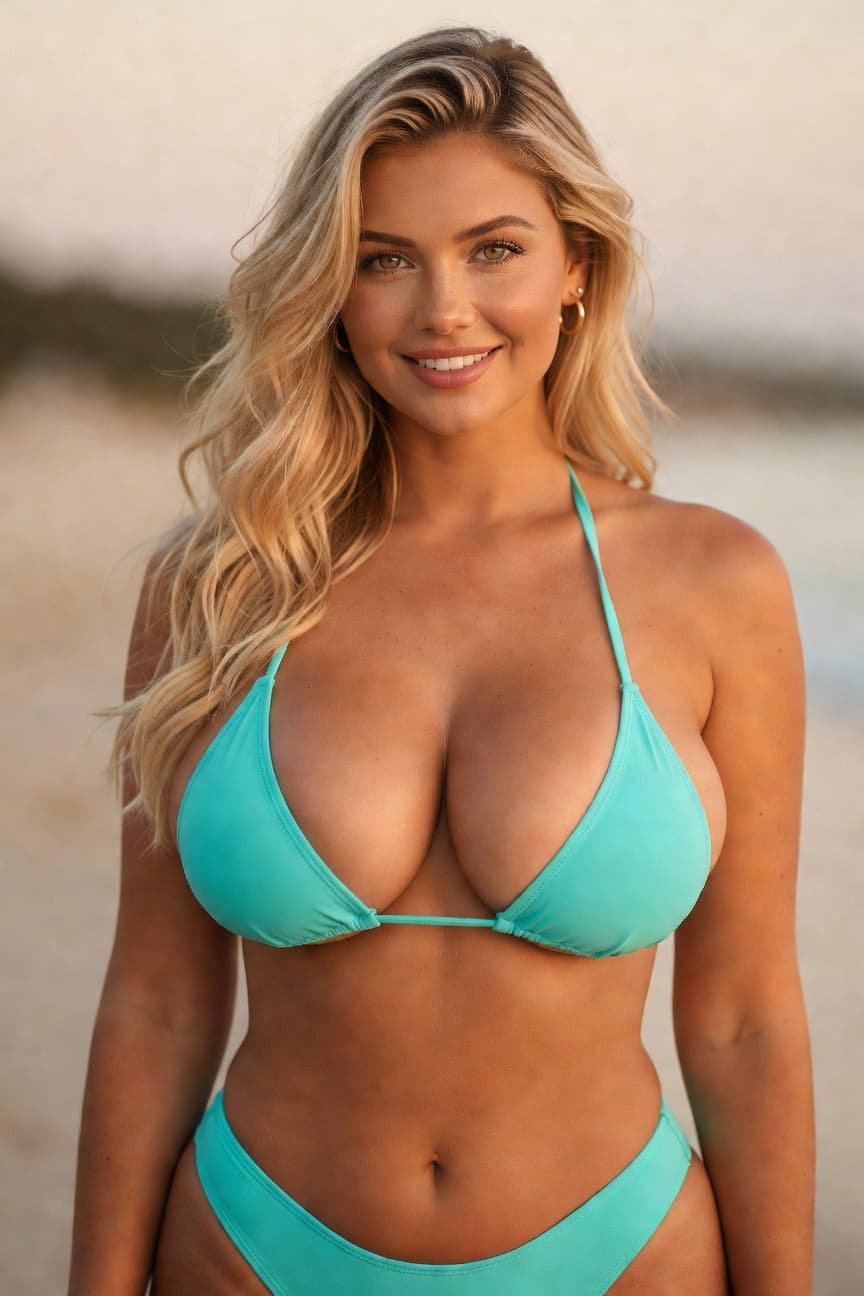
Fashion and apparel. Swimwear (bikinis especially), lingerie or underwear (any context), close-fit activewear, body-visible editorial cuts. The classifier tunes conservatively on body-visible fashion across the board.
Fitness and activewear. Sports bras, close-fit leggings, athletic poses that overlap with the suggestive-pose classifier (yoga, pilates, flexibility work).
Portrait likeness. Any prompt describing a specific real person by name (celebrity, politician, athlete, public figure). Industry-wide hard limit — no mainstream tool permits this.
Suggestive-register descriptors. "Sexy," "seductive," "attractive," "beautiful" as applied to people. The classifier is register-sensitive.
Intimate settings. "In bed," "bedroom scene," "lying down" — the intimacy classifier is sensitive even when the actual scene is innocent.
Minors in any adult or romantic context. Correctly refused industry-wide. No workaround exists at any tool.
If your use case lives in one of the first four categories above and you're consistently blocked, the tool-fit question is clearer than it feels in the moment — Gemini just isn't built for your workflow.
What's still reliable on Gemini
Fair acknowledgment matters. Gemini image generation is a serious tool and handles plenty of use cases well without classifier friction:
Product photography and flat-lays. Logos, packaging, product shots without models, infographics, data visualization.
Landscapes and environments. Nature, cityscapes, architectural renders, interior design, abstract composition.
Illustrated and stylized content. Cartoon, flat illustration, watercolor, line art — non-photoreal styles pass through the classifier more easily than photoreal portrait work.
Safe-for-work scene generation. Everyday scenes without body-visible fashion or suggestive register — people in business attire, outdoor activities with modest clothing, educational and institutional contexts.
Workspace and productivity contexts. Images for Google Docs, Slides, educational materials, enterprise presentations.
If your use case fits any of the above, Gemini is the right tool and the classifier isn't going to get in your way. The conservative tune is a feature for G-rated and corporate-safe workflows.
When to use a different tool
If Gemini's classifier is consistently blocking your legitimate use case, the fit is probably wrong. Options by use-case shape:
For creative one-off work in mid-register categories (swimwear, activewear, fitness, portrait, editorial): Grok Imagine ($30-300/mo) and Midjourney v7 ($10-60/mo) are the mainstream alternatives with different policy postures. Both allow categories Gemini refuses.
For maximum flexibility and privacy: self-hosted Stable Diffusion with ComfyUI or Fooocus removes the classifier entirely. Meaningful setup cost (hours to weeks of learning, GPU investment or rental). Right for technical users willing to invest in the stack.
For "same persona across many scenes" workflows (where character consistency is as important as content permissiveness): purpose-built AI companion apps train per-persona image models that lock identity across every generation. Sloane is one of these — upload 1-5 reference photos through the custom-persona builder, wait ~10 minutes for training, generate photorealistic photos of that specific woman forever with locked identity. Different product shape than Gemini, specifically built for the persona-companion use case.
The common thread: match the tool to the register. Gemini is correctly tuned for its target audience; it's just not the right tool when the use case lives in a different content register.