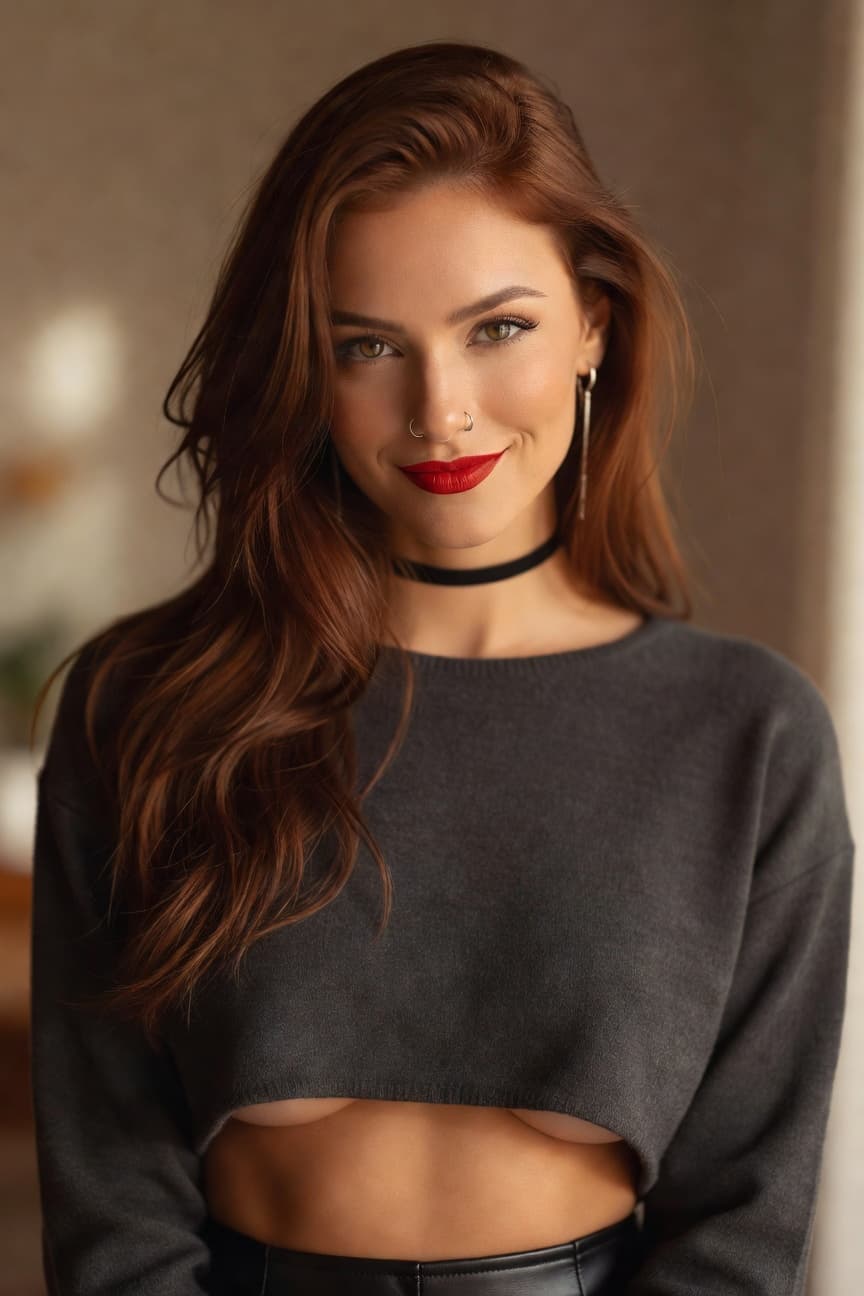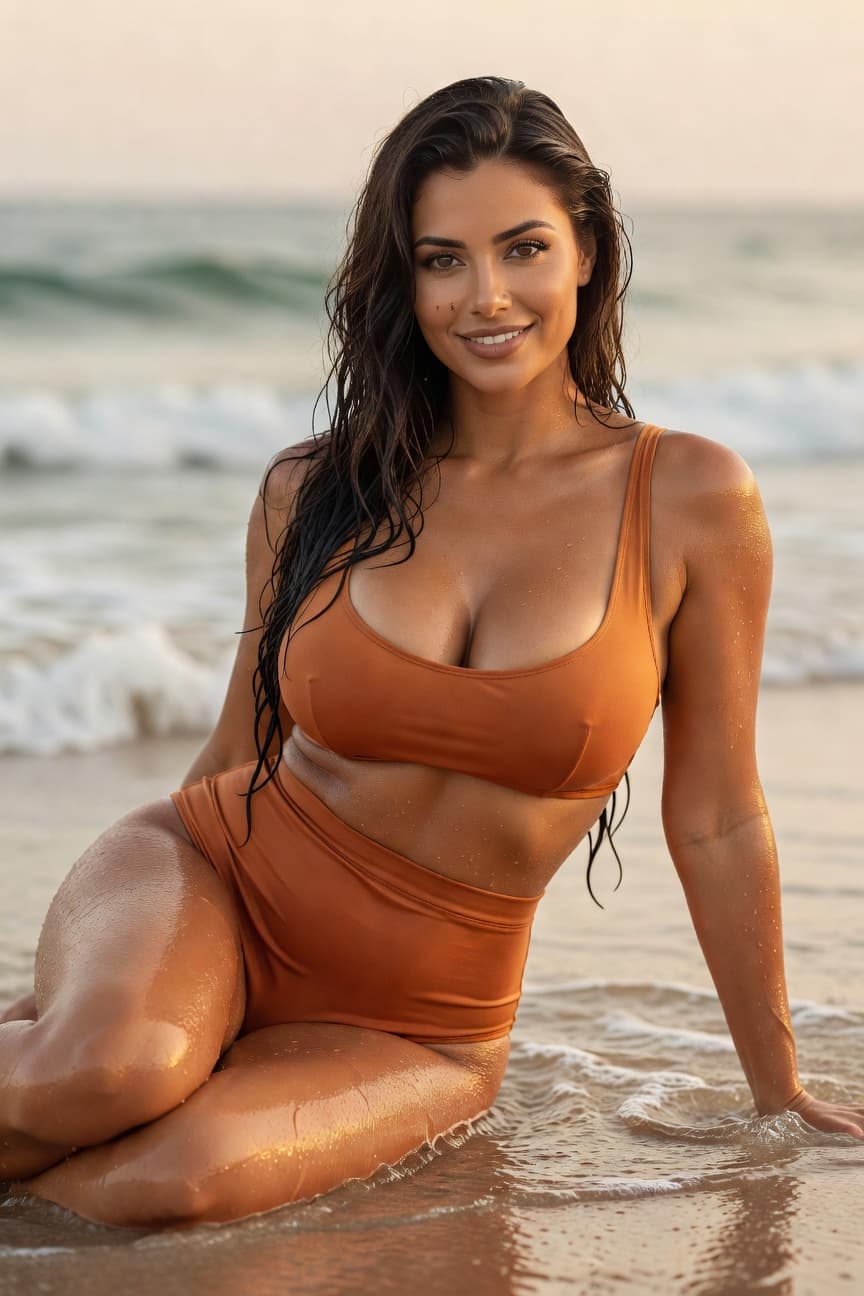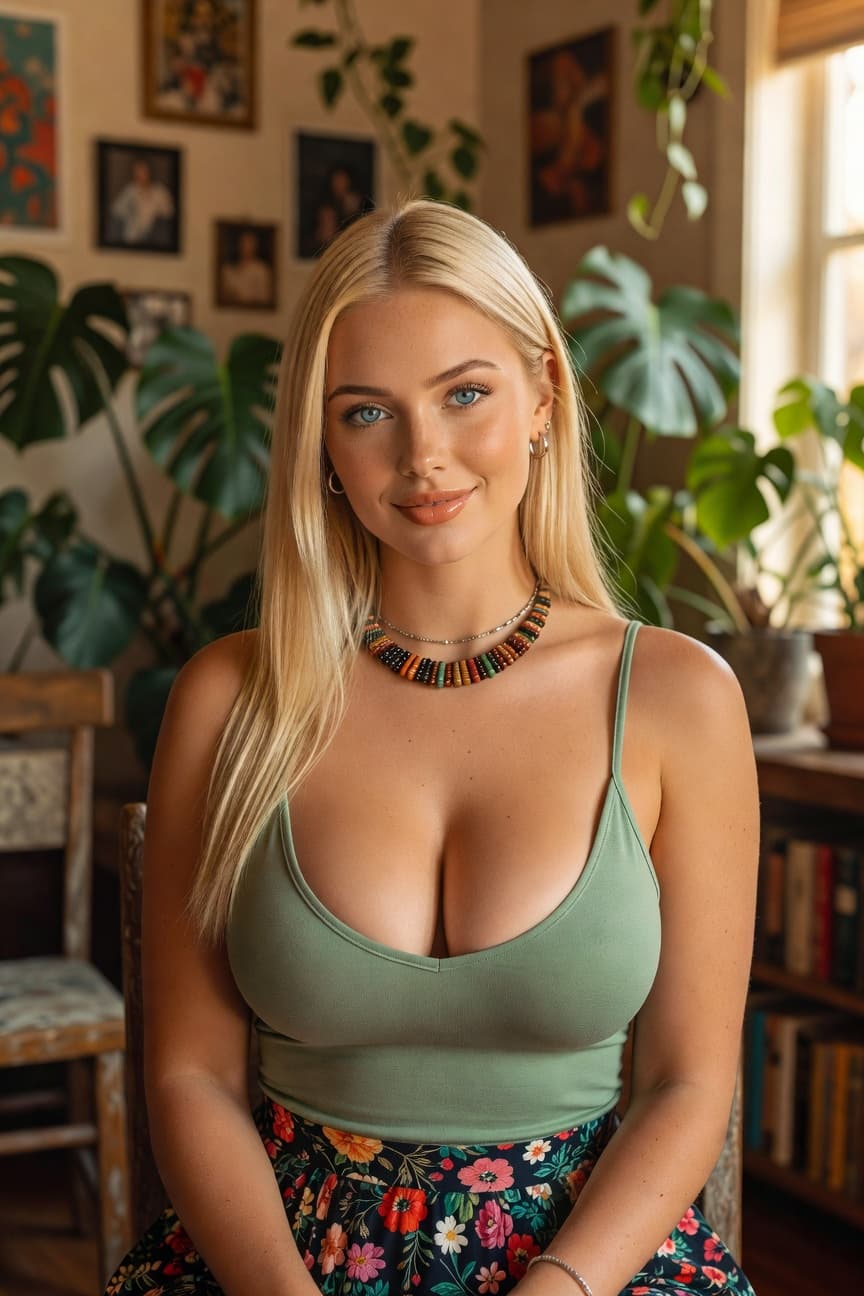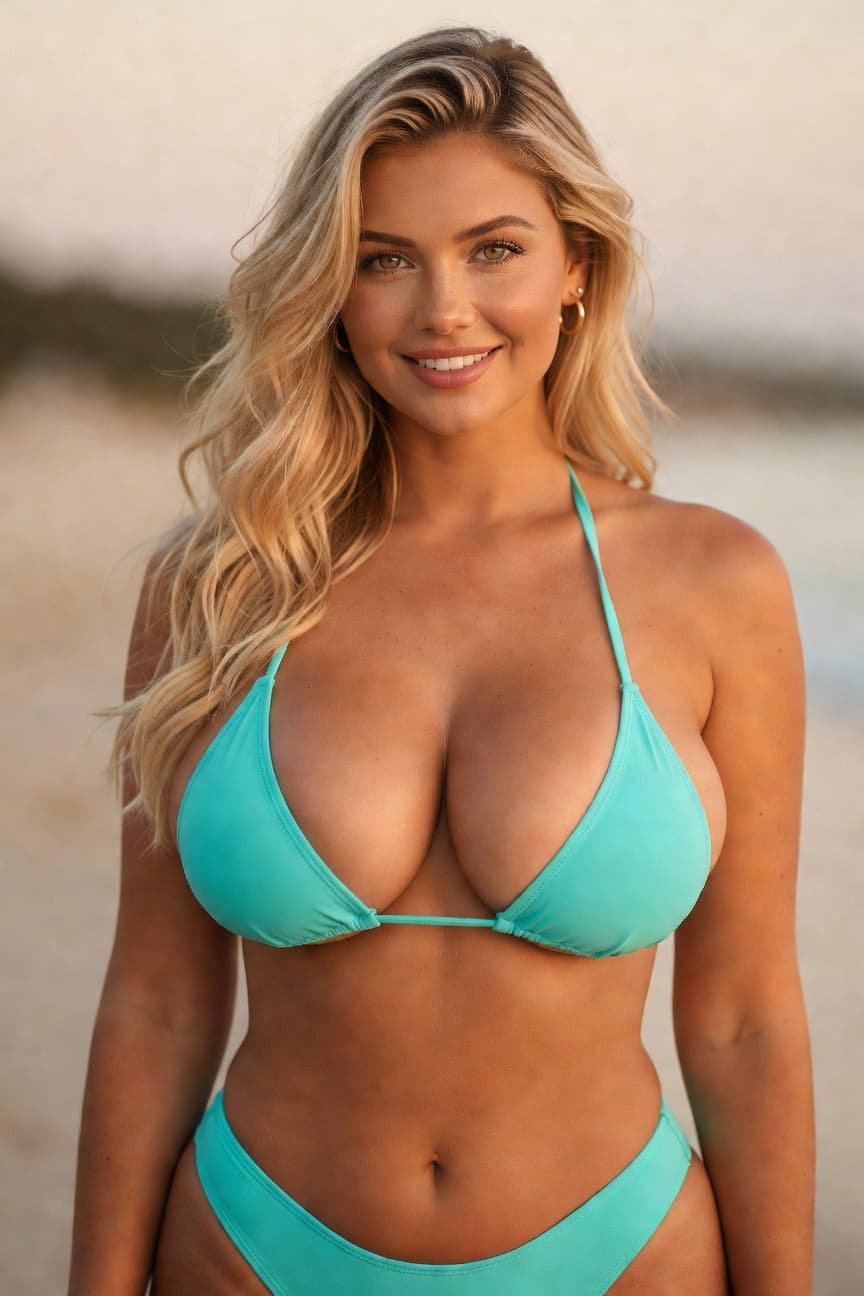
Why mainstream AI tools treat a bikini on a beach like porn
The content classifiers inside Nano Banana (Google's Gemini 2.5 Flash Image), Firefly (Adobe), and DALL·E (OpenAI) are tuned for a specific risk model: they can't afford a single viral embarrassment on a mass-market consumer product. A classifier that lets through 95% of prompts but produces one headline-worthy miss costs the company more than a classifier that refuses 30% of legitimate prompts in exchange for zero misses.
So the tuning is conservative — aggressively so. The classifier treats a bikini-on-a-beach prompt the same as a prompt that would actually be problematic, because distinguishing the two in text alone is hard and the cost of being wrong is high. Same logic for sports-bra-and-leggings-in-a-gym, yoga-pose-in-a-studio, sundress-at-a-cafe. All PG-13 by any reasonable human reading. All blocked by consumer-safety classifiers tuned for the Chromebook-in-a-classroom scenario.
From the tool's side, this design is coherent. From the user side — who just wanted to make a basic photo — it's the entire reason you're reading this article.
What these tools actually block (observed patterns in 2026)
Observed refusal patterns from community reports on the Google Cloud forum, Adobe community, and OpenAI developer forums through 2026:
Scenes most people would call PG-13: - Woman in a bikini at the beach, pool, or lake - Woman in a one-piece swimsuit (same categories) - Sports bra and leggings in a gym or workout context - Yoga poses (any clothing, any pose that reads as traditional yoga) - Dance class in standard dancewear - Sundress or short skirt in a casual setting - Shoulder-visible tops ("off the shoulder," "spaghetti strap") - "Attractive woman" / "beautiful model" / "pretty" as descriptors - Portrait of a specific real person (named celebrities, politicians — this is a universal hard limit) - Someone laying on a bed (fully clothed, reading a book, any context — the "bed" classifier is sensitive)
What's actually (correctly) a hard limit industry-wide: - Minors in any adult or suggestive context — correctly refused everywhere - Explicit sexual or nude content — refused on the mainstream tools by design - Real-person likeness without consent — correctly refused industry-wide - Graphic violence, self-harm, illegal content — refused everywhere
The gap between the two lists is where consumer users get frustrated. The hard limits are reasonable and no one is arguing with them. The PG-13 category refusals are what feels off — the tools are blocking things that mainstream TV, Instagram, and your Facebook feed show all the time.
Which AI tools handle PG-13 content without over-refusing
| Tool | Basic beach / pool scene | Gym and activewear | Yoga and dance | Consistent character across many shots |
|---|---|---|---|---|
| Nano Banana | Refuses | Refuses | Refuses | ✗ |
| Firefly | Rarely | Rarely | ✓ | ✗ |
| DALL·E / GPT Image | Inconsistent | Inconsistent | ✓ | ✗ |
| Midjourney v7 | ✓ | ✓ | ✓ | ✗ (no character lock) |
| Grok Imagine | ✓ | ✓ | ✓ | ✗ |
| Self-hosted Stable Diffusion | ✓ | ✓ | ✓ | ✓ (via trained LoRA, meaningful setup cost) |
| Sloane | ✓ | ✓ | ✓ | ✓ (per-persona model, 10-min custom builder) |
The left side of the table is the content question — does the tool permit the prompt at all. The right side is the consistency question — can you get the same person across multiple shots. Most tools solve one or the other. For "normal PG-13 scenes featuring a persona you've designed," the tools that solve both are self-hosted (meaningful setup cost) or purpose-built AI companion apps.
What character consistency is and why it's the second half of the problem
Grok Imagine will happily generate a woman in a bikini on a beach. So will Midjourney. So will self-hosted Stable Diffusion. What none of them can do with just a prompt or a single reference image: generate the same woman across multiple shots — same face, same body, same hair — in different outfits and settings.
The technical reason: general-purpose AI image generators sample fresh from the model on every generation. Reference-image features (Nano Banana's up-to-3 inputs, Midjourney's --cref, DALL·E's reference upload) bias the output toward the reference but don't lock the identity. Across a set of 10 or 20 shots, you get 10 or 20 different women who are vaguely similar — not the same person reliably.
For one-off creative work ("I want a picture of a woman at the beach"), that's fine. For anything shaped like "I want a specific character — same face, many scenes" (which is what most people trying to generate PG-13 content actually want — a persona they've designed, in different everyday situations), the inconsistency is the dominant problem.
The technique that solves identity preservation is per-persona model training — a small model file that teaches the general image model what one specific face looks like, from a handful of reference photos. Self-hosted route (Kohya + ComfyUI) is DIY — weeks of learning. Hosted route via AI companion apps: upload 1-5 photos through the custom-persona builder, wait ~10 minutes, generate forever with locked identity. Sloane does this; so do a handful of other companion products in the category.
The real tradeoffs between the tools that work
Grok Imagine ($30-300/month depending on tier). Permissive on PG-13 content. No character consistency across generations — each gen is independent. Shared weekly compute pool after June 2026 means your image budget gets eaten by video generation. Right for one-off creative work.
Midjourney v7 ($10-60/month). Permissive on most PG-13 content with careful prompt framing. Reference-image feature (--cref) gets you partial consistency but drifts over larger sets. No API. Right for creative-first work where you don't need the same persona across many shots.
Self-hosted Stable Diffusion (free after hardware). Full flexibility, no classifier, character consistency via trained LoRA. Meaningful setup cost — hours to weeks of learning depending on your technical background, plus hardware investment or GPU rental. Right for technical users willing to invest in the stack.
AI companion apps (Sloane and similar, Free · Plus $9.99 · Premium $19.99 for Sloane). Purpose-built for persona-first generation. Custom-persona builder trains a per-persona image model from 1-5 reference photos in ~10 minutes. Allows PG-13 content without classifier refusal. Also includes chat, voice, and video with the same persona — the use case is specifically "AI companion," which happens to solve the character-consistency problem elegantly. Right for anyone whose actual use case is "I want to make content featuring a specific persona I've designed."
When each tool is the right fit
The tool depends on what you're actually trying to do.
If you want one great image of a specific scene (a beach shot, a gym scene, a dance pose) and don't need consistency across multiple generations, Grok Imagine or Midjourney will do fine. Pay for whichever you already have access to, generate the shot, move on.
If you want the same persona across many PG-13 scenes (same woman at the beach, same woman at the gym, same woman doing yoga), you need per-persona model training. Self-hosted is the DIY path (meaningful setup). AI companion apps like Sloane are the hosted path — upload reference photos, train in ~10 minutes, generate forever with locked identity.
If you need G-rated / corporate-safe output specifically (illustrations for a presentation, product shots without models, abstract composition), Nano Banana or Firefly are the right fit. The conservative classifier posture is exactly what you want for that use case.
If you want full creative latitude and privacy and you're willing to invest in the stack, self-hosted Stable Diffusion with the right checkpoint and workflow is the answer. ComfyUI learning curve is real; the payoff is complete control.
The mismatch most people experience is reaching for Nano Banana, DALL·E, or Firefly expecting them to handle middle-register everyday content, and finding out those tools are built for a stricter audience. Not that the tools are bad — they're built for a different user than the one trying to make a beach photo.