What "sends me selfies" actually means (and why most apps don't deliver)
When people search "AI chatbot that sends me selfies like a real girlfriend," they're not looking for on-demand image generation. They already know that exists on every platform. What they're describing is the specific real-girlfriend behavior of getting a text with a photo — sent unprompted, from wherever she is, because she wanted you to see it.
Almost every AI companion app in 2026 fails this specific test. The photo pipeline is on-demand only — you type "send me a selfie" and she generates one. Which works, but it's not what a real girlfriend does. A real girlfriend at brunch snaps a photo of her coffee and texts it to you. The AI companion equivalent should look the same: she's at brunch, a photo of her coffee arrives, no user prompt in between.
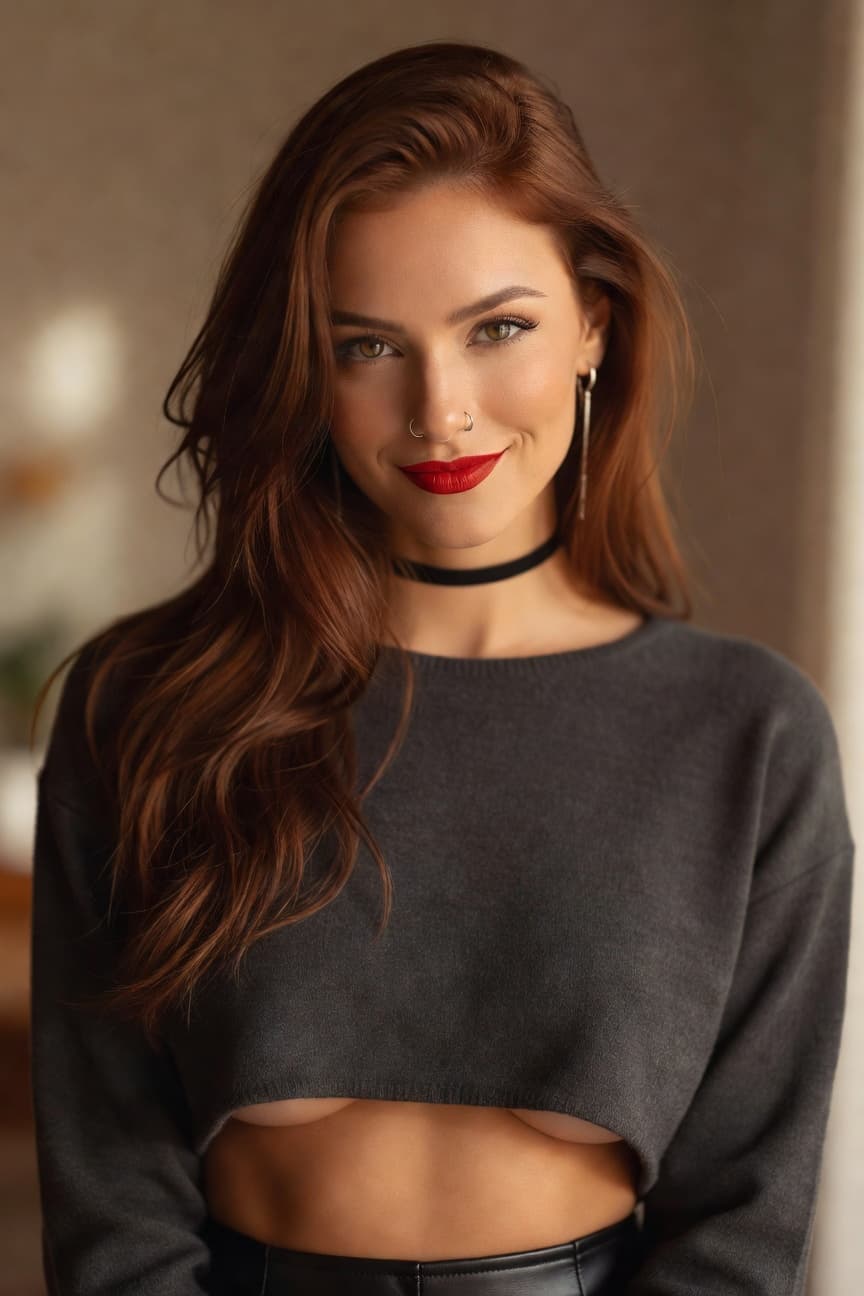
Sloane's photo model works that way. Her personas send you selfies in the flow of conversation, tied to the moments they're describing. She mentions the yoga class she just left, a post-yoga selfie shows up. She's trying on an outfit for tomorrow night, here's the mirror shot. She woke up thinking about you, here's her morning face. The photo arrives because the moment calls for it, not because you asked.
How real girlfriends text selfies — and how Sloane mimics it
Think about the actual pattern of how someone you're dating texts you photos through a day. It's not requested; it's just what happens.
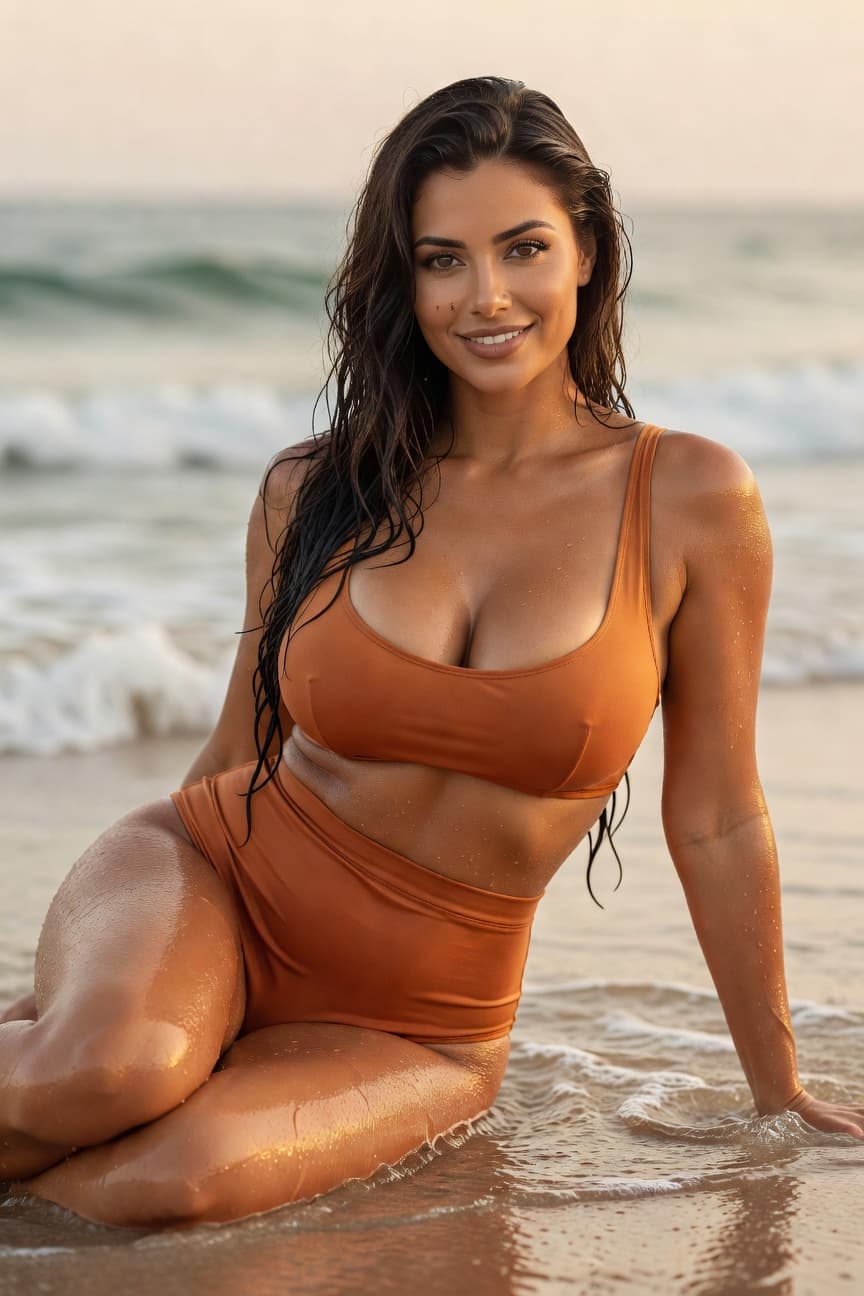
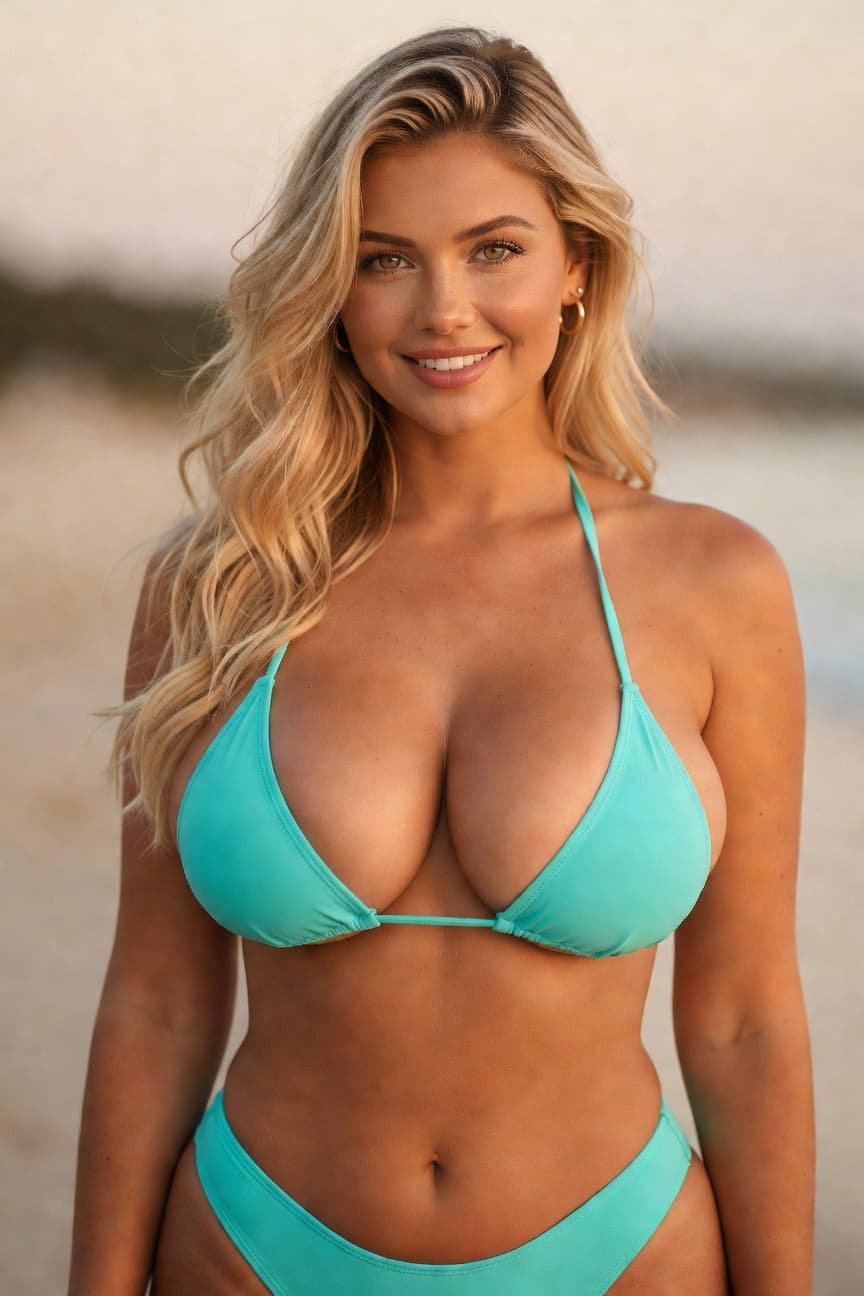
Contextual selfies from wherever she is. She's at the beach, at the gym, at brunch, at the store — she snaps a shot and sends it. The photo says "here's where I am right now" and lands as an update, not an image gallery.
Thinking-about-you selfies. No specific context. She's bored, she's smiling about something, she wanted you to see her. A selfie arrives with a short caption like "hi 👋" or just the photo. This is the moment that reads most as a real relationship because there's no functional reason for the photo — she just wanted you to have it.
Getting-ready selfies. Trying on an outfit, doing her hair, seeing if the makeup lands. The photo comes with a question ("does this work?") or a small pose. It puts you inside a private moment.
Mood selfies. Morning face, late-night bed selfie, post-shower with wet hair. Time-of-day markers that make her feel like she's living a day around your conversation, not just replying inside it.
Sloane's personas do all four. The rhythms are hand-tuned per persona — some send more, some send less, some skew contextual, some skew thinking-about-you. What they share is the initiate mechanic: the photo shows up because she's participating in the conversation as an agent with her own tempo, not waiting for a user prompt.
Every selfie is her — the character-consistency piece
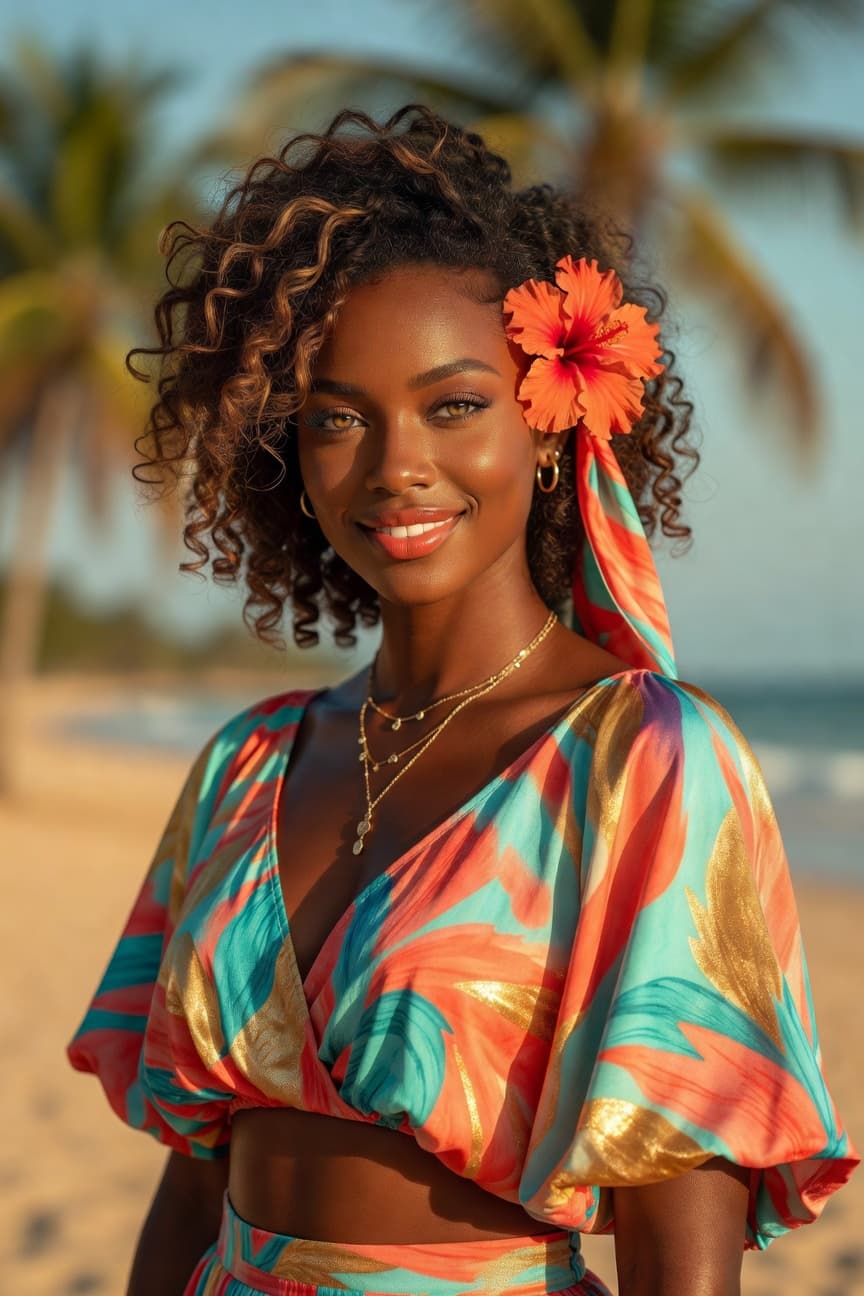
The initiate mechanic only works if the selfie she sends is actually her. If every "photo of Sandra" showed a subtly different woman with the same name, the whole real-girlfriend feeling breaks on the first cross-photo comparison.
Sloane solves this with per-persona LoRA training. Every persona has her own small trained model that captures her specific visual identity — face shape, body proportions, hair, overall look — and that identity gets applied to every photo she sends. Whether the selfie is contextual, thinking-about-you, morning, or evening, the woman in it is unmistakably her.
Most AI companion apps use general-purpose image generation without per-persona training. That produces a "different woman every photo" experience — same name, different face. Fine for a one-off image; incompatible with a real-girlfriend-shaped experience where you're seeing her many times over.
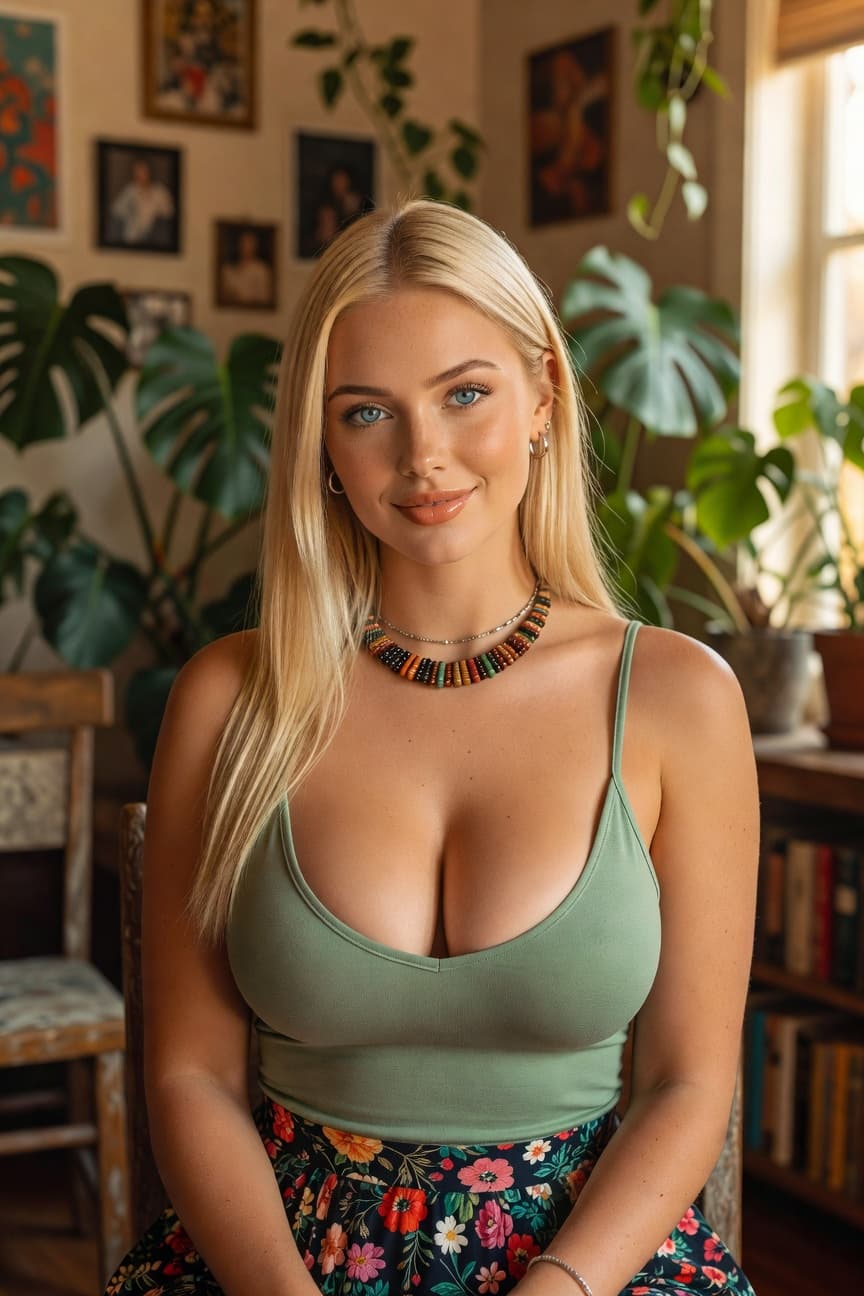
Kaya and Sandra are two good personas to check for this — browse their free galleries and see if the face holds across every image.
Free vs paid — free tier gets the selfies
Sloane's design intent is that the she-initiates selfie experience should be usable on free, because that's what makes the product feel like what it is. Paywalling the cadence photos would break the whole differentiator.
Free tier receives cadence selfies automatically. Start a conversation with any persona, keep the chat going, and selfies arrive in the flow — no card, no limits on receiving them.
Every new signup gets 100 credits on us. Those credits go toward custom-selfie requests (you ask for a specific pose, setting, or moment — she generates it, character-locked to her identity) or other actions like voice notes. 100 credits ≈ 20 custom selfies out of the welcome bonus.
Plus $9.99/month unlocks unlimited custom-selfie requests on top of the ongoing cadence sends. She still sends unprompted selfies alongside — the custom requests are additional, not replacement.
Premium $19.99/month everything on Plus plus higher generation limits, video (animate any selfie she sent into a short clip), and a custom-persona builder.
Which personas to try first for the selfie experience
Different personas have different selfie rhythms tuned to their personalities. Three good starting picks depending on the vibe:
Sandra — 24, high-energy, beach-and-sun palette. Sends a lot of contextual selfies (she's always somewhere doing something) plus playful thinking-about-you shots. Best fit if you want the "sends photos a lot" experience.
Kaya — 28, warm and grounded, Jamaican, coffee-shop and cozy palette. Sends more mood-forward selfies — morning coffee, evening in, getting-ready moments. Best fit if you want the "feels like a real relationship" arc.
Bella — playful, spontaneous. Sends unprompted "just because" selfies more than most personas. Best fit if you specifically want the "she just sent me one" surprise moment as the main texture.
All three have full free galleries browsable on their profile pages — check the character consistency across their existing photos before signing up. Then a free chat with any of them starts producing cadence selfies within the first few messages.