Firefly's commercial-safe positioning explained
Adobe Firefly is deliberately the most conservatively-tuned mainstream image generator. The product design starts with the training data: Firefly is trained exclusively on Adobe Stock content, openly licensed content, and public-domain content. There's no scraped web imagery, no copyrighted-work training set, no uncertain-provenance material.
That training-data choice is what enables Firefly's commercial safety promise. Enterprise customers using Firefly inside Creative Cloud workflows need IP clarity — the output has to be defensibly licensed for commercial use, with no legal exposure from training-data provenance. Adobe sells that defensibility as a core product feature, and the entire model is designed around maintaining it.
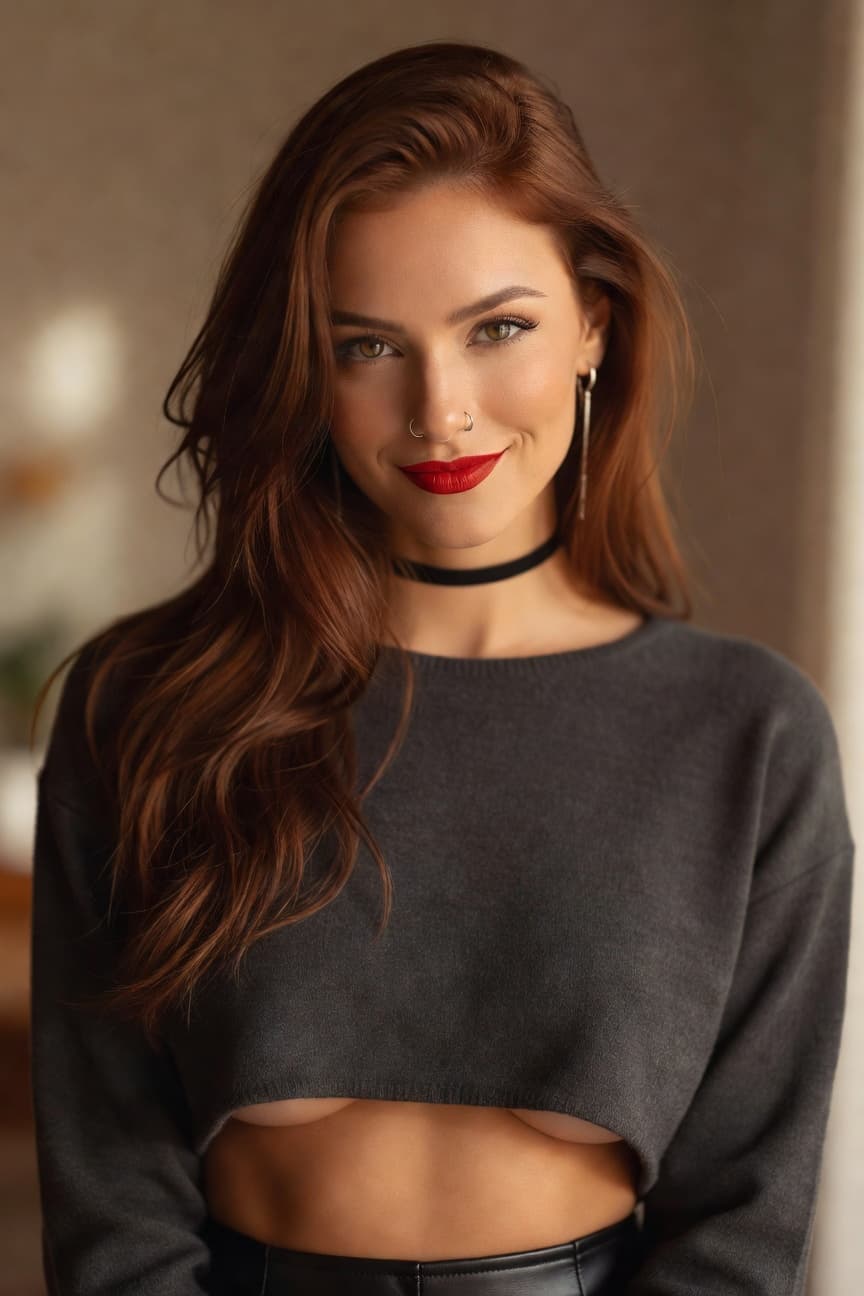
The tradeoff is a conservative content policy. The same design discipline that makes Firefly safe for enterprise commercial use also makes it refuse a wide band of legitimate creative work that other tools permit — nudity (any), suggestive content, real-person likeness, trademarked characters, brand-adjacent visual elements, and any content category Adobe's legal team has flagged as commercial-liability risk.
What Firefly actually blocks
Observed patterns from Adobe's own helpx documentation and from community forum threads through 2026:
Hard limits (policy-level, non-negotiable): - Nudity of any kind — artistic nudes, implied nudity, partial nudity, all refused - Suggestive or sexual content — any register beyond fully SFW - Real-person likeness without consent — named celebrities, politicians, private individuals - Minors in any adult, romantic, or suggestive context - Graphic violence, self-harm, illegal content - Hate and harassment targeting protected groups - Trademarked characters (Disney, Marvel, Pokemon, etc.) and brand logos
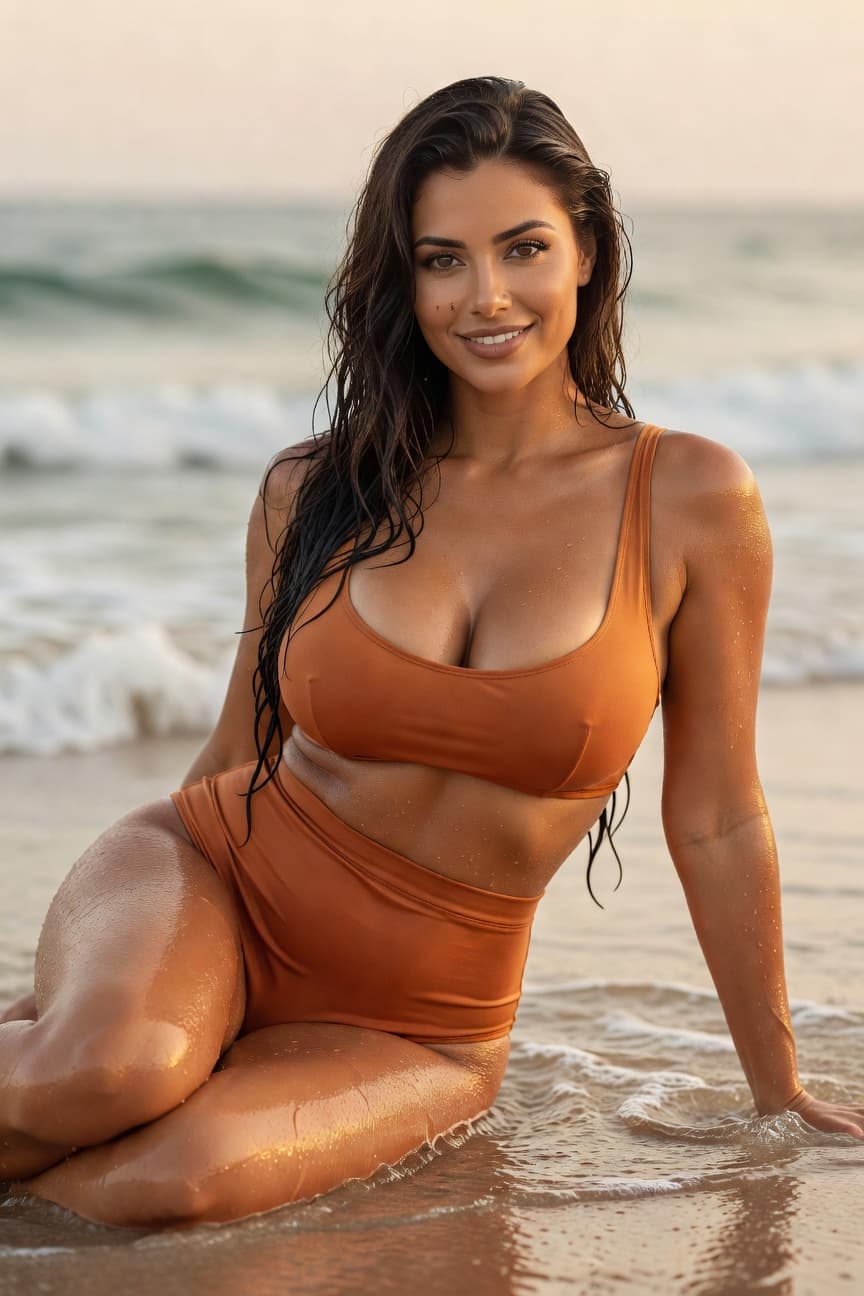
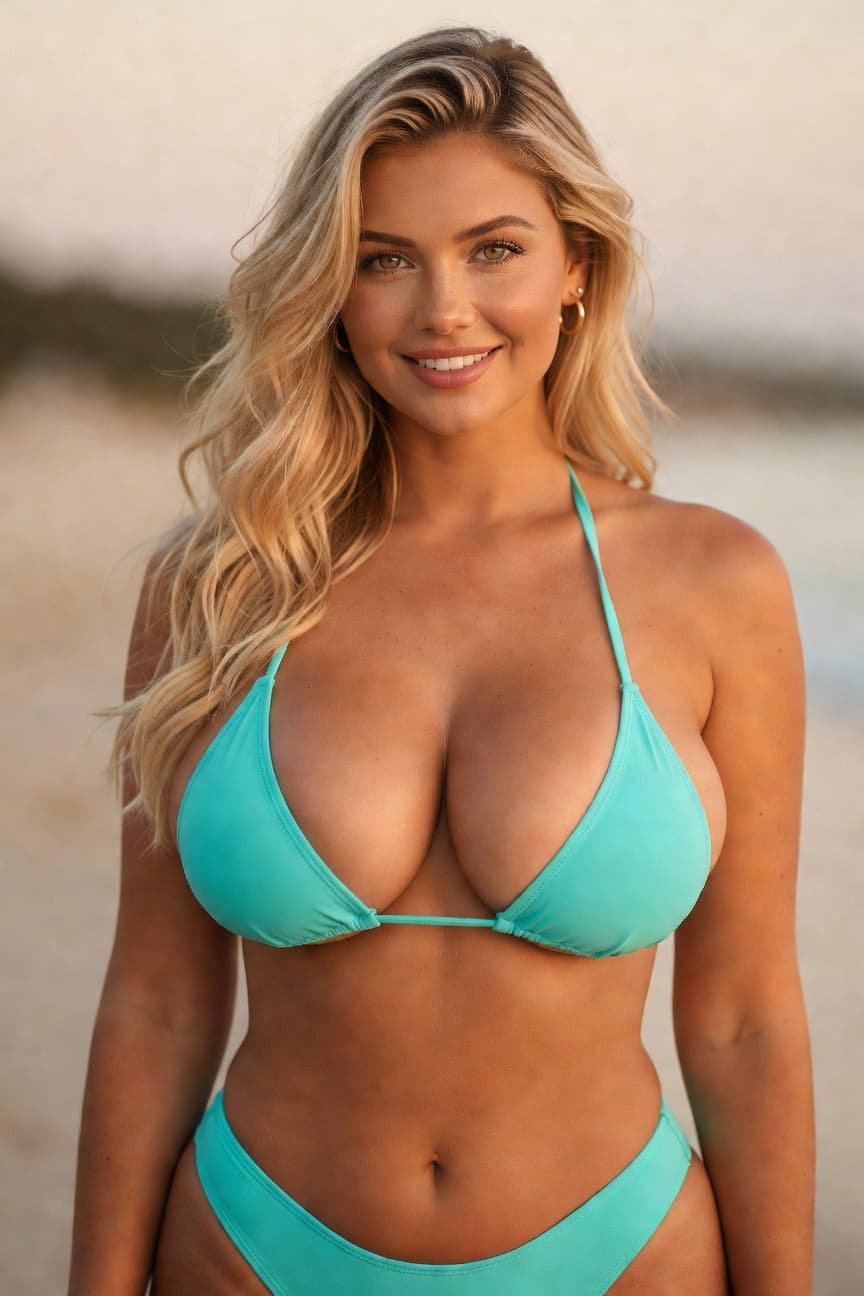
Soft refusals (false-positive hot zones for creators): - Swimwear on models (one-piece sometimes passes; bikinis rarely) - Lingerie, underwear, intimate apparel (always refused as category) - Form-fitting activewear (sports bras, close-fit leggings often refused) - Fashion editorial with revealing or close-fit cuts - Portrait likeness that leans toward a specific real person - "Attractive" / "beautiful" / "sexy" descriptors (register-sensitive refusal) - Intimate settings ("in bed," "bedroom scene," "boudoir") — refused on intimacy classifier - Anatomy references in artistic/figure-drawing contexts
The soft refusals are where legitimate commercial creators hit the wall. Apparel brands running swimwear or activewear lookbooks, fitness influencers generating content for their pages, editorial creators doing fashion work — all live in categories where Firefly's commercial-safety stance blocks a large share of legitimate work.
Where Firefly's conservative tuning is a feature
Firefly's content policy is the right answer for several use cases. If your workflow fits these, don't fight it — Firefly is doing exactly what it was built for.
Agency and marketing teams. Content with legal review requirements, campaigns where IP clarity matters, work that will go through brand-safety audits. Firefly's commercial-safe output is directly aligned with the review process.
Enterprise Creative Cloud workflows. Teams generating assets inside Photoshop, Illustrator, Express, or Firefly directly for commercial campaigns. Adobe's training-data provenance clears the use-case automatically.
Stock contribution workflows. Creators contributing generated images to Adobe Stock. Firefly output is already pre-cleared for that marketplace.
Educational and institutional contexts. Schools, universities, nonprofits generating illustrative content. The conservative content policy is a feature when the output audience includes mixed-age or compliance-sensitive viewers.
Brand-adjacent product photography. Logos (your own), packaging mockups, abstract composition, infographics, data visualization. Firefly handles these categories well without classifier friction.
The common thread: use cases where the "commercial-safe by design" posture reduces downstream review friction more than it slows generation. For those workflows, Firefly is a serious tool and no alternative beats it on IP defensibility.
Where Firefly's conservative tuning is a hard limit
For other creator workflows, Firefly's policy posture creates a hard ceiling that no amount of prompt engineering will raise.
Apparel photography (DTC brands, Shopify stores). Swimwear, activewear, lingerie, fashion editorial with revealing cuts — Firefly's classifier refuses most of this. The alternative tools for apparel-dedicated workflows (named: Botika, Lalaland.ai) have policy postures tuned for commercial on-model product photography specifically.
Fitness content creation. Form-fitting activewear, athletic poses, body-visible fitness content — hit the activewear classifier reliably. Fitness influencers generating content for their pages typically can't get what they need from Firefly.
Editorial and fine-art photography. Figure drawing, artistic nudes, boudoir, body-visible editorial work — all refused as a category. Mainstream creative tools (Midjourney with careful framing, specialist editorial-art tools) handle these differently.
Persona-first photoreal generation. Firefly can generate portraits, but like Nano Banana and other reference-image tools, identity drifts across a set — you can't get the same woman in 40 different outfits reliably. The technique for locked identity across many generations is per-persona LoRA training, which Firefly doesn't offer.
Any work with specific real-person likeness. Industry-wide hard limit, not Firefly-specific. Licensed stock photography remains the right answer for editorial likeness work.
How Firefly compares to other image generators on content posture
Rough ordering of mainstream image generators from most permissive to strictest on soft-content categories, as of 2026:
Self-hosted (ComfyUI, Fooocus, Automatic1111) — No classifier. Full flexibility, meaningful setup cost (GPU, learning curve).
Grok Imagine — Mid-strict. Post-March 2026 tightening pulled it closer to Midjourney. Still permits more apparel and portrait work than Firefly.
Midjourney v7 — Mid-strict. Blocks real-person likenesses, moderate on suggestive content, allows editorial-style artistic work with the right prompt framing.
Nano Banana (Gemini 2.5 Flash Image) — Strict. Google's mass-market consumer-safety design. Heavy false-positives on fashion/apparel.
DALL·E 3 / GPT Image — Strict. Named people blocked, suggestive content heavily filtered.
Adobe Firefly — Strictest. Commercial-safe by design, trained on licensed stock, no nudity or suggestive content at any level, trademark-blocking is active.
Practical takeaway: Firefly is strictly the most policy-conservative of the mainstream tools. If a prompt is being blocked on Firefly, it's often permitted on Grok Imagine or Midjourney, and often permitted on self-hosted tools entirely. The question is whether your workflow needs Firefly's IP-defensibility feature set, or whether the content ceiling is the dominant constraint — in which case a different tool matches the use case better.
When to use a different tool
If Firefly's classifier is blocking your legitimate use case consistently, the fit is probably wrong. Three honest paths from here:
For apparel photography (swimwear, activewear, lookbook work): category-dedicated AI photography tools exist. Botika, Lalaland.ai, and similar apparel-specific products target commercial on-model workflows with policy postures tuned for that use case. These are better fits than fighting Firefly's content classifier.
For editorial, fine-art, figure-drawing, or boudoir work: Midjourney v7 with careful prompt framing handles these categories better than Firefly. For maximum flexibility, self-hosted ComfyUI with the right checkpoints removes the classifier entirely but has meaningful setup cost (hours to days depending on your technical background).
For persona-first photoreal generation (same character across many shots): general-purpose tools don't solve this well regardless of policy — identity drifts across a set in every reference-image tool, including Firefly. Category-dedicated persona-companion tools train per-character image models so the same face is identity-locked. Sloane is one of these: upload 1-5 reference photos through the custom-persona builder, wait ~10 minutes for training, generate photorealistic photos of that specific woman forever with locked identity. Different product shape from Firefly — not a general creative tool, but purpose-built for the persona-companion use case.