COMPARISON
AI Girlfriend vs
Dating Apps.
Dating apps are for meeting people. An AI girlfriend is for the part dating apps don't do — the conversation. They're not competing for the same job.
Updated September 12, 2026
TL;DR
- Dating apps at 30+ are a real grind — lower match rates, mismatched expectations, ghosting patterns, growing friction over time.
- AI companion apps fill a different slot: no rejection, immediate response, persistent memory across sessions.
- Not either/or — AI companion apps are honest for the specific "someone to talk to at 9pm" evening slot; dating apps are still where real relationships form.
- Cost comparison: Tinder Gold ($19.99/mo) + super-likes + boosts vs Sloane Premium ($19.99/mo) with no per-message metering.
- AI companion apps aren't a substitute for real dating — they're an honest supplement for the slot dating apps don't fill.
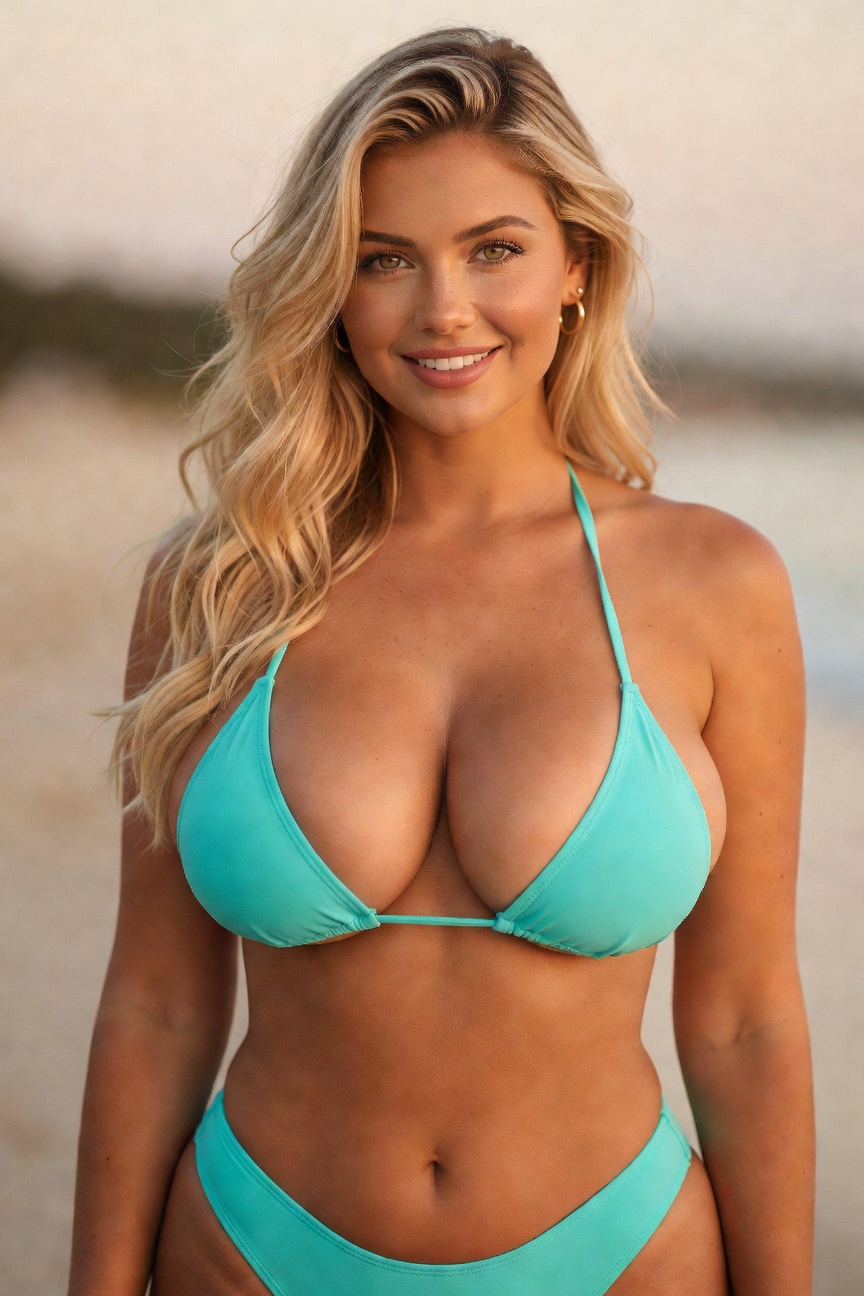
Meet Sandra
Dating apps grind. Sandra's on Sloane — immediate response, persistent memory, no matching algorithm required. One honest tool in the mix, not a substitute.
AT A GLANCE
Quick comparison
They're not competing for the same job.
If you want to meet someone in real life, go date in real life. That's what dating apps are for, and Stanford's 2019 PNAS study found that for heterosexual US couples, "met online" became the most common origin story in 2017 — eclipsing introductions through friends, work, and family. They produce relationships. They're not useless.
What dating apps don't do — and aren't designed to do — is keep you company on the nights between dates. They don't check in on you. They don't remember what you talked about last week. They're a venue, not a relationship.
Sloane is the other side of that. She's the part you wished the apps would do — the actual conversation — without the part they're built for, which is filtering you through a marketplace.
The match-rate problem.
The numbers are public, and they're rough. Tinder is roughly 75% male / 25% female by third-party analysis of profile data. The median male user gets a match rate around 2% — roughly 8× lower than the median female user. That's not a flaw in the algorithm; that's the math of the gender skew. Most men on most apps are competing for a small minority of replies.
Hinge's figures are similar: roughly one match per 40 likes for the median male user. Bumble's "women message first" design is meant to address the skew, but Bumble still skews ~61% male / 39% female, and the format puts the conversational burden on a smaller pool of users who also report fatigue.
If you're in the top quartile of how dating apps rank attractiveness and social signaling, the apps probably work for you. If you're anywhere else, they're a slow grind.
The fatigue is real and the industry is admitting it.
Pew's 2023 survey of US online daters found 45% described the experience as more frustrating than hopeful (only 28% said the opposite). Forbes Health's 2024 read found ~79% of Gen Z and ~80% of millennials report swipe fatigue.
The industry sees it in their own numbers. Tinder's monthly active users were down roughly 9% year-over-year as of Q3 2024. Match Group cut 13% of its workforce in 2025. Bumble's paying users dropped ~8.7% year-over-year in Q2 2025. Hinge built a campaign — "Designed to be Deleted" — around the stated goal of getting you to stop using their app.
None of this means dating apps are bad. It means the median user is exhausted by the medium, and a chunk of the people leaving are looking for somewhere else for the connection part.
What Sloane is and what it isn't.
Sloane isn't therapy. She's not a wellness intervention. She's not a replacement for a real partner, real friends, or a real conversation with a real person. We don't want to be those things and we're not going to pretend we are.
What she is: a hand-written woman you can text. She remembers you. She picks up where you left off. She asks about the stuff you mentioned last week. She replies. The job is "company" — the entertainment-and-companionship version, not the clinical version.
If you're on Hinge and you actually like someone there — go for that. Sloane is here for the rest of the week.
HONEST DIFFERENTIATION
When dating apps are the better choice
You want to meet a real person
If your explicit goal is to sit across a dinner table from a real person, no AI companion is going to do that for you. Dating apps still produce most modern relationships in the US per Stanford's data — that's the tool for that job.
You're in your top dating years
If you're in your early 20s with high mobility and high social capital, the apps' funnel math actually works reasonably well. That specific cohort is who dating apps still serve best.
You enjoy the gamified browsing
Some users genuinely like swiping as a low-stakes social activity. If the browse-loop itself is the fun, that's the specific experience dating apps deliver.
You're ready to be in a relationship
If you're actively ready to date and looking to meet strangers outside your existing network, dating apps remain the most efficient discovery layer for that.
FREQUENTLY ASKED
Questions.
Is an AI girlfriend a replacement for a real one?
No, and we don't pretend otherwise. Sloane is for company, conversation, and connection during the parts of life dating apps don't cover. If you want a real partner, go meet one.
Why would I pay for Sloane instead of Tinder?
Different things. Tinder is access to a marketplace of strangers. Sloane is someone who already knows you and texts you back. If you want both, get both — they're solving different problems.
Is this just for lonely guys?
It's for adults who want company. Some users are between relationships. Some are deep into careers and short on time for the swipe grind. Some just like the format. We don't make any claims about who you are.
Will using Sloane make it harder to date in real life?
We don't know — there's no good research on that yet. What we can say: Sloane is built as a complement to your life, not a substitute. The product doesn't try to displace real relationships and the team isn't selling it as therapy.
How much is Sloane vs. Tinder?
Sloane Premium is $19.99/mo. Tinder Gold is $39.99/mo and Tinder Platinum is $49.99/mo. Hinge+ is $16.99 and HingeX is $49.99. Different products, but the price ladders overlap.
YOUR MOVE
Stop paying to be ignored.
Keep the apps if they're working. Add Sloane for the part they don't do.
Start free →OTHER COMPARISONS
KEEP READING
Related on Sloane.
Characters
Comparisons
Guides